
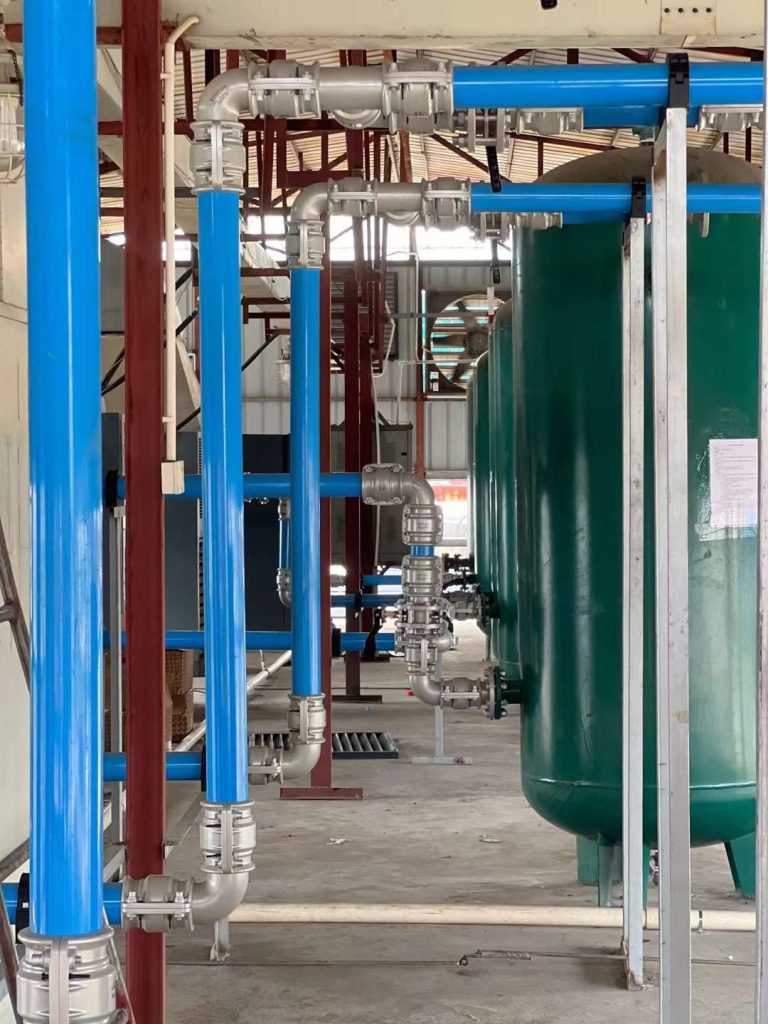
In automotive component manufacturing facilities, compressed air is considered one of the most critical utility systems supporting daily production activities. It powers pneumatic assembly tools, robotic arms, painting booths, clamping systems, CNC support equipment, and automated material handling systems. Because of its versatility and safety compared to electrical tools in certain environments, compressed air becomes deeply integrated into production processes. However, it is also one of the most expensive utilities in industrial plants due to the high electricity consumption required for air generation.
A leading automotive parts manufacturer began experiencing noticeable inconsistencies in pneumatic tool performance. Operators reported fluctuating torque levels in assembly tools, delayed response in automation cylinders, and occasional pressure drops during peak production hours. These issues were initially assumed to be equipment-related, but further review suggested a systemic problem within the compressed air network.
Air Audit Pvt Ltd conducted a comprehensive compressed air energy audit across the facility. The audit included ultrasonic leak detection surveys, pressure profiling, compressor performance analysis, and demand-side consumption mapping. Using advanced ultrasonic detection equipment, multiple leakage points were identified across aging pipelines, corroded joints, quick-connect fittings, valve assemblies, and flexible hose connections near workstations.
The findings revealed that leakage losses accounted for a substantial percentage of total compressed air production. In some production zones, leakage levels were measured at over 30% of generated air capacity. As a result, compressors were forced to operate continuously, even during non-peak hours, in order to maintain pressure stability across the network. This continuous loading significantly increased electricity consumption, reduced compressor lifespan, and raised maintenance frequency.
In addition to energy losses, pressure instability was directly impacting product quality and tool reliability. Pneumatic tools operating under inconsistent pressure tend to produce variation in fastening torque, affecting final assembly precision. In automated systems, unstable air pressure can delay actuation cycles, reducing production throughput.
Based on audit recommendations, a structured leakage management program was implemented. This included immediate sealing of identified leak points, replacement of worn fittings and connectors, installation of high-quality quick couplings, reinforcement of hose assemblies, and correction of improperly sealed threaded joints. Preventive maintenance protocols were also introduced, ensuring periodic ultrasonic leak inspections and early detection of developing issues.
Furthermore, system pressure was recalibrated after leakage reduction to eliminate excess compressor loading. Operators were trained to report abnormal air noise or tool response irregularities as part of a proactive maintenance culture.
Following implementation, the plant recorded a significant reduction in compressed air wastage. Compressor loading hours decreased substantially, leading to reduced electricity bills and improved equipment reliability. Annual operational cost savings of approximately 27% were achieved. In addition, improved pressure stability enhanced production consistency and reduced tool maintenance requirements. The project demonstrated how systematic leakage control in compressed air systems can generate measurable financial and operational benefits in automotive manufacturing environments.