
Plastic injection molding operations rely heavily on compressed air for mold actuation, part ejection mechanisms, robotic pick-and-place systems, and auxiliary automation. Because of continuous production cycles, compressed air systems in such facilities operate for extended hours daily. Even small inefficiencies can significantly impact energy consumption and operating expenses.
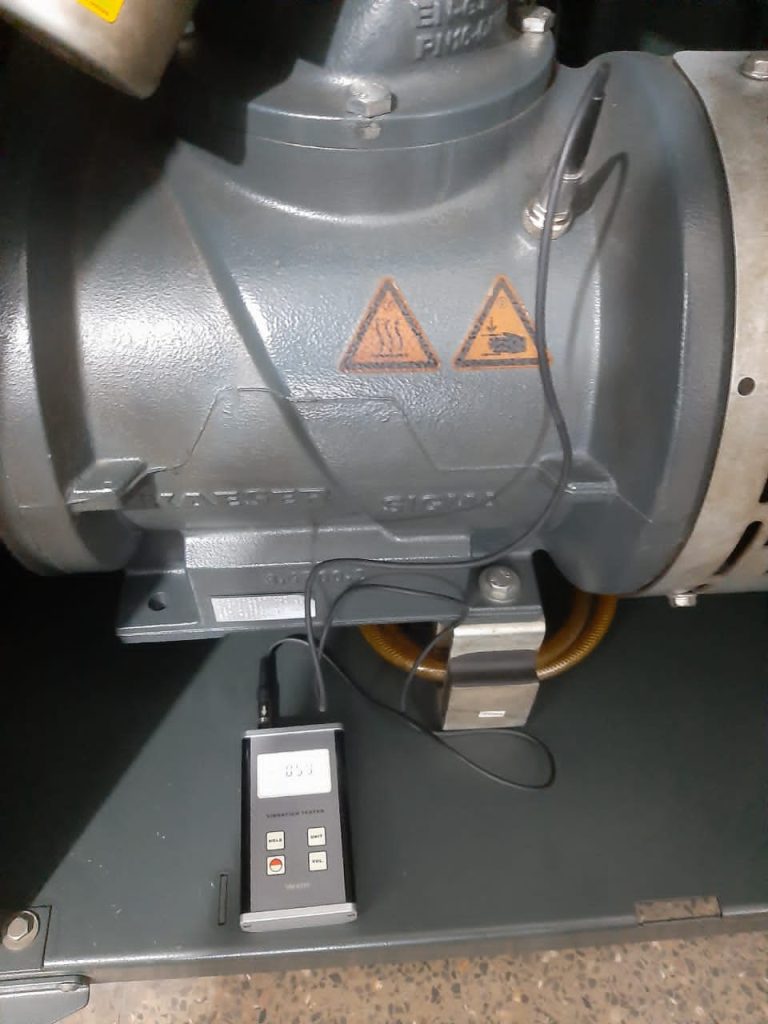
A plastic molding plant reported unusually high electricity bills despite operating within the rated capacity of its compressor system. The management suspected inefficiencies but lacked precise diagnostic data. Air Audit Pvt Ltd performed a detailed compressed air system assessment including compressor loading analysis, pressure logging, airflow demand study, and end-use equipment evaluation.
Audit results revealed that compressors were operating at pressure levels higher than necessary. The system was maintained at an elevated setpoint to compensate for assumed pressure drops, but actual end-use equipment required lower minimum pressure for optimal functioning. Operating at unnecessarily high pressure increases compressor power consumption exponentially. Industry data suggests that every 1 bar increase in pressure can raise energy consumption by approximately 7%.
Detailed measurements confirmed that reducing system pressure would not compromise mold operation or automation reliability. After careful validation and coordination with production engineers, the system pressure was reduced by 0.5 bar.
This seemingly small adjustment resulted in measurable energy savings. Lower operating pressure reduced compressor load, decreased heat generation, and minimized mechanical stress on system components. Additionally, leakage rates were slightly reduced since leakage volume is directly proportional to system pressure.
Post-implementation monitoring indicated approximately 18% electricity savings without any impact on production efficiency or product quality. Equipment life expectancy improved due to reduced mechanical stress, and maintenance intervals were optimized. This case study highlights how pressure optimization, when supported by data-driven analysis, can significantly reduce energy consumption in plastic manufacturing facilities.