A large Fast-Moving Consumer Goods (FMCG) manufacturing plant reduced compressed air consumption by 22% by eliminating artificial demand and optimizing end-use applications. Through pressure rationalization, leak elimination, correction of inappropriate uses, and system redesign, the plant achieved annual energy savings of approximately $145,000 with a payback period of less than 10 months. The project demonstrated that demand-side management can deliver significantly higher returns than expanding compressor capacity.
Compressed air was extensively used across the facility for pneumatic actuators, bottle filling and packaging lines, cleaning and drying operations, conveying systems, and robotic automation. The plant operated four 160 kW rotary screw compressors at an average system pressure of 8.2 bar, running approximately 7,200 hours annually with production lines operating 24/6. Despite adequate installed capacity, the plant frequently experienced low-pressure alarms during peak shifts. Management initially considered purchasing an additional 160 kW compressor, assuming insufficient supply. However, a detailed compressed air audit revealed that the real issue was artificial demand rather than capacity shortage.
Artificial demand occurs when systems operate at higher-than-required pressure, increasing air consumption and energy use. Every 1 bar increase in pressure can raise energy consumption by approximately 6–8%. Although most end-use equipment required only 6–6.5 bar, the plant was operating at 8.2 bar, meaning an excess of nearly 2 bar was driving unnecessary energy consumption. Compressed air already accounted for 28% of the plant’s total electricity usage, and rising energy costs made optimization critical.
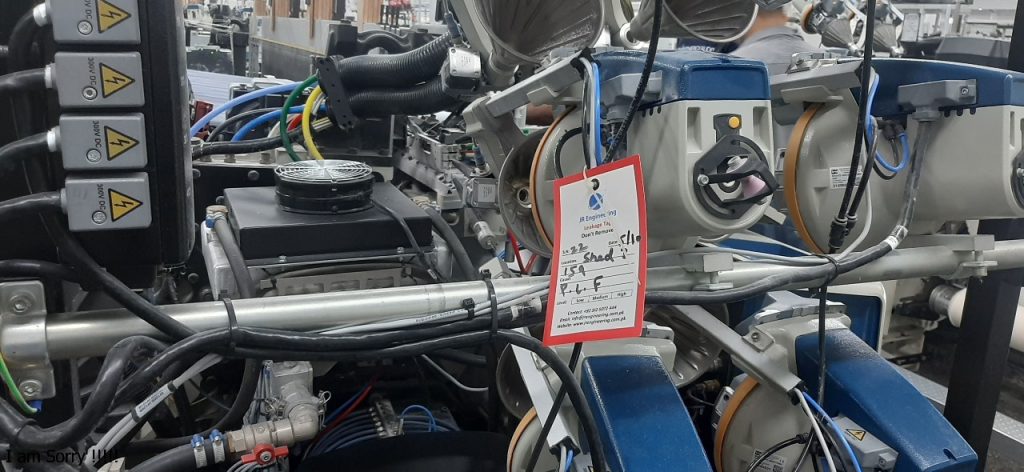
The audit included ultrasonic leak detection, flow and pressure logging, end-use pressure requirement analysis, artificial demand modeling, and identification of inappropriate applications. Findings showed that required pressure was 6.5 bar while operating pressure was 8.2 bar. Leakage was measured at 19% of total compressed air production. Inappropriate uses were widespread, including open blowing for floor cleaning, cooling electrical panels with compressed air, and unengineered product drying methods. Several production lines lacked point-of-use regulators, and air receivers were located only near the compressor room rather than near high-demand areas.
Instead of investing in a new compressor, the plant implemented a structured demand-reduction strategy. System pressure was gradually reduced from 8.2 bar to 6.8 bar after installing high-precision regulators at critical points, adjusting compressor sequencing logic, and adding pressure sensors at the farthest demand points. The pressure reduction caused no production disruption. A comprehensive leak management program identified 420 leak points, primarily from fittings, couplers, and valve stems. Within eight weeks, leakage was reduced from 19% to 8%.
Inappropriate uses were eliminated by replacing compressed air with electric blowers for cleaning, low-pressure blowers for panel cooling, and engineered air knife systems for drying applications. This measure alone reduced system demand by 11%. To stabilize the network, two additional 2,000-liter air receivers were installed near high-demand packaging lines, which reduced pressure fluctuations, minimized compressor load/unload cycling, and improved system stability.
After six months of monitoring, compressed air flow reduced by 22%, decreasing from approximately 2,400 CFM to 1,870 CFM. Annual compressor energy consumption dropped from about 4,608,000 kWh to 3,590,000 kWh, resulting in annual savings of roughly 1,018,000 kWh. At an electricity rate of $0.14 per kWh, this equated to approximately $142,500 in annual cost savings. Additionally, the planned $120,000 investment in a new compressor was completely avoided. Compressor load/unload cycles reduced by 35%, discharge temperatures decreased, oil and separator life extended, and maintenance costs fell by approximately 18%.
The total project investment was $118,000, covering leak repairs, regulators and controls, additional air receivers, and engineering services. With annual savings of $142,500, the simple payback period was approximately 10 months, and five-year net savings were projected to exceed $590,000.
Operational improvements extended beyond financial gains. Production lines became more stable, product drying consistency improved, noise levels decreased, and stress on pneumatic components reduced, enhancing actuator lifespan. The success of the project shifted management’s perspective on utilities, transforming compressed air from a fixed overhead expense into a controllable and optimizable resource. Continuous leak audits and quarterly pressure reviews were institutionalized to sustain savings.
This case clearly demonstrates that in compressed air systems, efficiency gains are often achieved by optimizing demand rather than expanding supply. By addressing artificial demand and improving end-use efficiency, the plant achieved substantial energy savings, avoided unnecessary capital expenditure, and enhanced overall system reliability.