
Introduction
In large industrial organizations, compressed air systems often operate across multiple plants located in different cities or regions. Each plant may have its own compressors, piping network, storage system, and maintenance practices. While these systems support production effectively, they often operate with varying levels of efficiency.
Energy efficiency benchmarking for multi-plant compressed air networks is a structured approach to compare performance across different facilities. The goal is simple: identify which plants are performing efficiently, which are wasting energy, and how to standardize best practices across the organization.
In today’s competitive industrial environment, benchmarking is not just about comparison. It is about cost control, performance improvement, and strategic decision-making.
What Is Energy Efficiency Benchmarking
Energy efficiency benchmarking is the process of measuring and comparing energy performance indicators across multiple systems or facilities.
For compressed air networks, benchmarking typically includes:
Total energy consumption
Specific energy consumption (kW per m³/min or kW per CFM)
Operating pressure levels
Leakage percentage
Compressor loading patterns
Maintenance cost per unit of production
By comparing these metrics, management can identify performance gaps and improvement opportunities.
Why Multi-Plant Benchmarking Is Important
When companies operate multiple plants, energy performance often varies significantly. One plant may have modern compressors and efficient controls, while another may run older equipment with high leakage and poor maintenance.
Without benchmarking, management cannot clearly see these differences. Energy waste remains hidden within individual facilities.
Benchmarking provides:
Transparency in energy performance
Data-driven comparison
Identification of best-performing plants
Clear targets for underperforming plants
This allows companies to reduce overall energy cost at a corporate level.
Key Performance Indicators for Benchmarking
To benchmark compressed air systems effectively, standardized metrics must be used. Some important indicators include:
Specific energy consumption (SEC)
Compressor efficiency
System pressure stability
Leakage rate
Energy cost per production unit
Compressor load/unload ratio
Among these, specific energy consumption is one of the most important. It shows how much power is required to produce a unit of compressed air.
Lower SEC indicates better efficiency. By comparing SEC across plants, management can easily identify inefficient systems.
Steps to Implement Benchmarking
- Data Collection
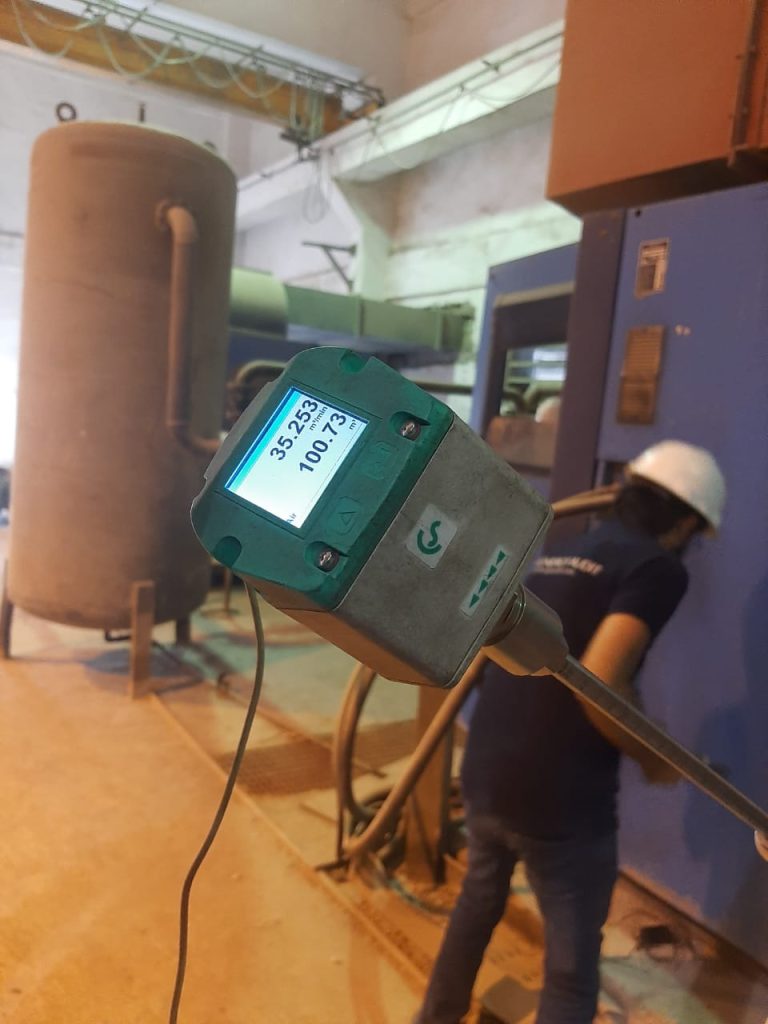
The first step is collecting accurate and consistent data from all plants. Install flow meters, power meters, and pressure sensors if not already available.
Data should be collected over a representative period, such as one month, to account for production variations.
- Standardization of Metrics
Ensure that all plants use the same measurement units and calculation methods. Without standardization, comparison becomes unreliable.
- Performance Analysis
Analyze variations in energy consumption, pressure settings, compressor operation patterns, and leakage levels.
Identify which plants are performing above average and which are below benchmark standards.
- Identify Best Practices
Study high-performing plants. Understand what they are doing differently. It may include better maintenance, optimized pressure settings, improved piping design, or advanced control systems.
- Develop Improvement Plans
Create action plans for underperforming plants based on benchmarking results. Set realistic targets for improvement and track progress regularly.
Common Causes of Performance Differences
During benchmarking, companies often discover that differences in performance are caused by:
High operating pressure in some plants
Poor leak management
Outdated compressor technology
Inefficient control strategies
Inadequate air storage
Poor maintenance practices
By identifying these issues, management can prioritize corrective actions.
Financial Benefits of Benchmarking
Energy efficiency benchmarking provides both direct and indirect financial benefits.
Direct benefits include:
Lower electricity bills
Reduced maintenance costs
Extended equipment life
Indirect benefits include:
Better production reliability
Reduced downtime
Improved sustainability performance
Stronger corporate energy management strategy
Even a 5 to 10 percent improvement across multiple plants can result in significant annual savings at the corporate level.
Role of Digital Monitoring and IoT
Modern multi-plant benchmarking often uses centralized monitoring systems. Data from different plants can be collected through cloud-based platforms.
Real-time dashboards allow management to monitor performance continuously instead of relying only on periodic audits.
Digital monitoring helps:
Track energy trends
Detect sudden performance drops
Compare plants instantly
Make faster decisions
This approach transforms compressed air management from reactive to proactive.
Challenges in Multi-Plant Benchmarking
While benchmarking offers strong benefits, it also has challenges:
Inconsistent data collection methods
Resistance to change at plant level
Lack of monitoring infrastructure
Different production profiles
To overcome these challenges, top management support is essential. Clear communication and training also help ensure cooperation across facilities.
Link Between Benchmarking and Sustainability
Many organizations have sustainability and carbon reduction goals. Since compressed air systems consume large amounts of electricity, improving their efficiency reduces carbon emissions.
Benchmarking supports sustainability by identifying high-emission facilities and guiding energy reduction efforts.
Corporate reporting becomes stronger when energy performance is measurable and standardized.
Long-Term Strategic Impact
Energy benchmarking is not a one-time activity. It should be an ongoing process.
Regular comparison encourages healthy competition between plants. It creates accountability and motivates facility managers to maintain high efficiency levels.
Over time, this leads to standardized design practices, better procurement decisions, and smarter investment planning across the organization.
Conclusion
Energy efficiency benchmarking for multi-plant compressed air networks is a powerful tool for improving corporate energy performance. By comparing standardized metrics such as specific energy consumption, pressure levels, and leakage rates, organizations can identify inefficiencies and implement targeted improvements.
Benchmarking brings transparency, promotes best practices, and supports data-driven decision-making. It not only reduces electricity costs but also improves reliability, sustainability, and long-term operational performance.
For companies operating multiple facilities, benchmarking is not just a technical exercise. It is a strategic approach to control costs, enhance competitiveness, and build a more energy-efficient future.