Introduction
Energy costs are one of the biggest operational expenses in industrial facilities. Among all utilities, compressed air is often the most misunderstood and inefficiently managed system. Many industries spend large amounts on electricity to run compressors without realizing how much energy is being wasted.
This is where professional air energy audit services play an important role. An energy audit helps industries understand system performance, identify hidden losses, and implement improvements. But one common question management asks is: What is the return on investment (ROI)?
Understanding the ROI of a professional air energy audit helps industries make informed financial decisions instead of treating it as an unnecessary expense.
What Is a Professional Air Energy Audit
A professional air energy audit is a detailed technical assessment of a compressed air system conducted by experienced specialists. It includes:
Measuring energy consumption
Monitoring pressure and flow
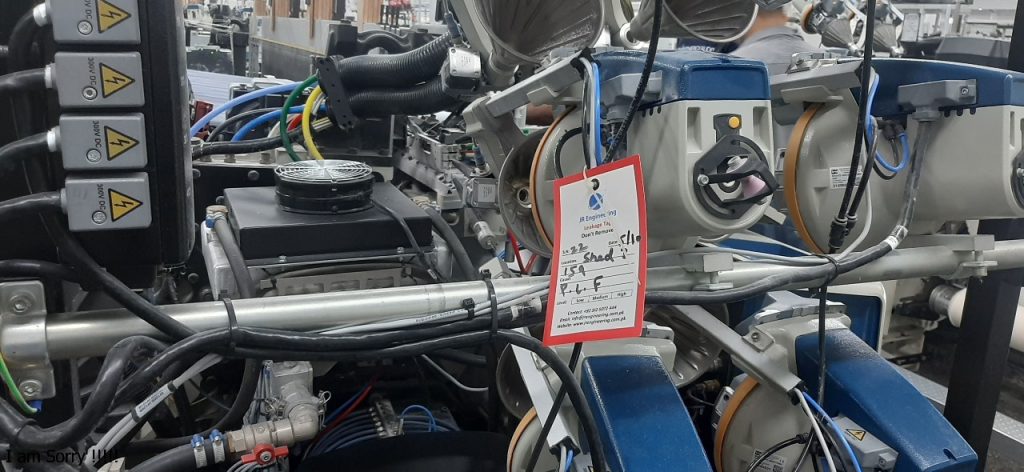
Detecting air leaks
Evaluating compressor performance
Checking pressure drops
Analyzing control strategies
Reviewing maintenance practices
Unlike a basic inspection, a professional audit uses data logging equipment and advanced diagnostic tools. The final report provides clear recommendations along with estimated energy savings and financial benefits.
Understanding ROI in Simple Terms
Return on Investment (ROI) is the financial gain achieved compared to the cost of the investment. In simple words, it answers one question:
If we spend money on an energy audit, how much money will we save in return?
ROI is usually calculated by comparing annual savings to the cost of the audit and improvement measures.
In most industrial cases, compressed air energy audits deliver strong ROI because the system typically has hidden inefficiencies.
Why Compressed Air Systems Have High Savings Potential
Compressed air is one of the least efficient utilities in a plant. A large portion of the electrical energy used by compressors is lost as heat. On top of that, leaks, high pressure settings, artificial demand, and poor control strategies increase waste.
In many facilities:
20 to 40 percent of compressed air is lost due to leaks
Systems operate at higher pressure than required
Compressors run unloaded for long periods
Maintenance is reactive instead of preventive
Because inefficiencies are common, the potential for savings is high. This makes ROI from professional audits very attractive.
Typical Financial Benefits
A professional air energy audit often identifies opportunities that can reduce compressed air energy consumption by 10 to 30 percent.
Financial benefits include:
Lower electricity bills
Reduced maintenance costs
Extended compressor life
Improved production reliability
Reduced downtime
In many cases, the payback period for implementing audit recommendations ranges from 6 to 18 months. Some simple actions, such as fixing leaks or adjusting pressure, may recover costs within a few months.
Short-Term vs Long-Term ROI
Short-term ROI comes from quick improvements such as:
Repairing leaks
Reducing system pressure
Optimizing compressor scheduling
Cleaning or replacing filters
These actions require minimal investment and deliver immediate savings.
Long-term ROI comes from strategic improvements such as:
Installing variable speed compressors
Upgrading control systems
Improving piping design
Implementing heat recovery systems
These projects may require higher investment but provide sustainable savings for many years.
Hidden Financial Gains
ROI is not only about direct energy savings. Professional audits also deliver indirect financial benefits.
Stable system pressure improves product quality.
Reduced downtime increases production output.
Lower equipment stress reduces repair costs.
Better energy management improves company reputation.
These indirect gains may not always be included in basic ROI calculations, but they significantly impact overall profitability.
Industries That Benefit the Most
While almost every industry using compressed air can benefit from an audit, some sectors see particularly strong ROI.
Manufacturing plants
Food and beverage processing units
Textile industries
Automotive plants
Pharmaceutical companies
Chemical processing facilities
Packaging industries
These industries rely heavily on compressed air for production processes. High usage means higher energy bills and greater savings potential.
Small vs Large Industries
Some small and medium enterprises believe energy audits are only useful for large factories. This is not always true.
Even smaller facilities can experience significant percentage savings. In fact, smaller plants often have more inefficiencies because systems were installed without proper optimization.
Large industries, on the other hand, benefit due to the scale of their operations. Even a small percentage improvement can result in substantial financial savings.
Common Misconceptions About Audit ROI
One common misconception is that professional audits are expensive and take too long to recover costs. In reality, the cost of an audit is usually small compared to annual compressed air energy expenses.
Another misconception is that if the system is running, it must be efficient. Many systems appear normal but operate far below optimal efficiency.
Ignoring hidden losses leads to continuous financial leakage.
Why Professional Services Matter
Some companies try to perform internal checks without expert support. While internal teams can handle basic maintenance, professional auditors bring:
Advanced measuring equipment
Industry experience
Benchmarking knowledge
Data analysis expertise
Professional audits provide accurate data and realistic savings projections, which improves decision-making and financial planning.
Strategic Advantage for Modern Industries
Energy prices continue to rise in many regions. At the same time, industries face pressure to reduce carbon emissions and improve sustainability.
Professional air energy audits help companies control costs and strengthen their competitive position. Lower operating expenses improve profit margins, while energy efficiency enhances corporate responsibility.
From a strategic point of view, an energy audit is not just a technical evaluation. It is a business improvement tool.
Conclusion
The ROI of professional air energy audit services is often strong and measurable. Because compressed air systems typically operate with hidden inefficiencies, even small improvements can generate significant financial returns.
Most industries recover their investment within a short period through reduced electricity bills and lower maintenance costs. Additional benefits such as improved reliability and extended equipment life further increase long-term value.
Instead of viewing energy audits as an expense, industries should see them as a smart investment decision. In a competitive and energy-conscious world, understanding and improving compressed air efficiency is not optional. It is essential for financial stability and sustainable growth.