
Introduction
Compressed air is one of the most expensive utilities in any industrial facility. It is widely used in manufacturing, packaging, food processing, automotive plants, textile units, and many other industries. While compressed air is essential for daily operations, it is also one of the biggest sources of hidden energy waste.
One of the main reasons for this waste is air leakage. Small leaks may look harmless, but they can cost thousands of dollars every year in unnecessary electricity consumption. Many industries do not realize how serious this issue is until they conduct a proper inspection.
Understanding how air leak detection works and why it is important can help industries reduce energy bills and improve system performance.
What Is an Air Leak in a Compressed Air System
An air leak happens when compressed air escapes from the system before reaching the intended equipment. Since compressed air is produced using electricity, every unit of leaked air represents wasted power and money.
Leaks can occur at many points in the system, including:
Pipe joints
Valves
Quick couplers
Hoses
Fittings
Air cylinders
Old or damaged seals
In many facilities, leaks develop slowly over time due to vibration, wear and tear, poor installation, or lack of maintenance. Because compressed air systems are usually noisy environments, leaks often go unnoticed.
Why Air Leaks Are So Expensive
To understand the financial impact, it is important to know that producing compressed air is not cheap. Compressors consume a large amount of electricity. In some industries, compressed air systems account for 10 to 30 percent of total electricity consumption.
Even a small leak can waste a surprising amount of energy. For example, a tiny hole of just a few millimeters can cost hundreds of dollars per year. When multiple leaks exist across a plant, the total annual loss can reach thousands or even tens of thousands of dollars.
In many cases, 20 to 40 percent of compressed air produced by a system is lost due to leakage. This means the compressor has to run longer and work harder just to maintain required pressure levels.
How Air Leak Detection Works
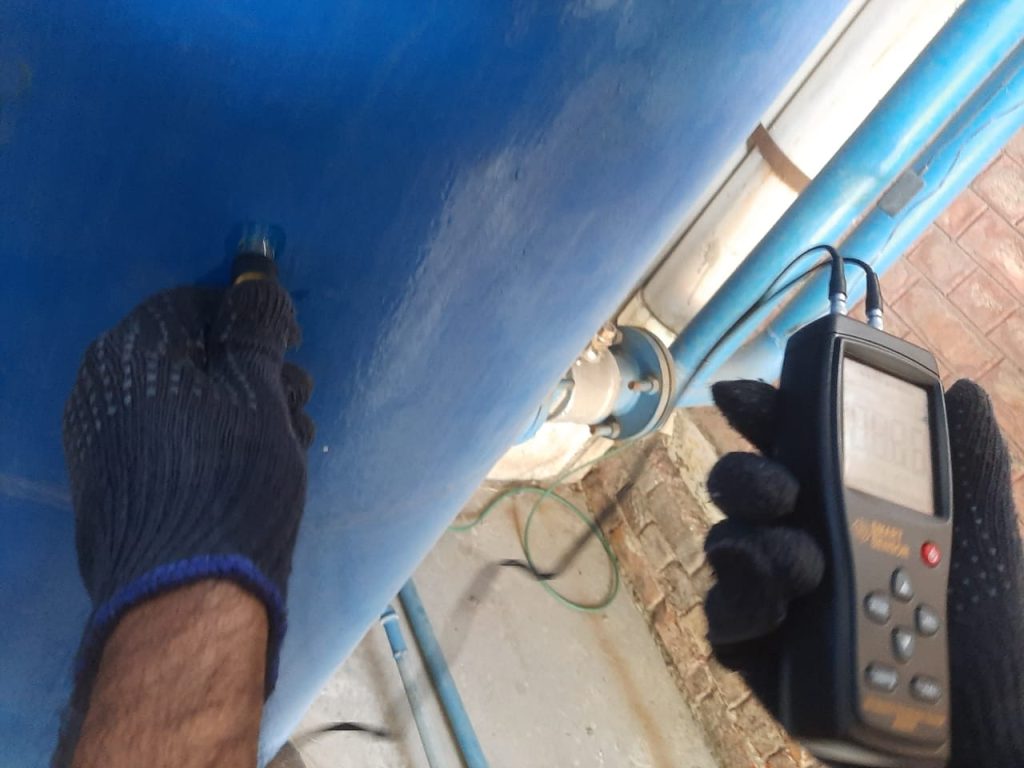
Air leak detection is the process of identifying and locating points where compressed air is escaping. Modern leak detection is usually done using ultrasonic leak detectors.
These devices detect high-frequency sound waves produced by escaping air. Even if the leak is too small to hear with the human ear, ultrasonic equipment can identify it accurately.
The process generally includes:
Surveying the entire compressed air network
Tagging and labeling leak points
Measuring leak severity
Estimating energy and cost losses
Preparing a detailed report
Once leaks are identified, maintenance teams can repair them quickly and efficiently.
Immediate Energy Savings
One of the biggest advantages of air leak detection is that the savings are immediate. After repairing leaks, the compressor does not need to run as long or as frequently.
This leads to:
Lower electricity consumption
Reduced compressor load
Less wear and tear on equipment
Lower maintenance costs
In many cases, the cost of conducting a leak detection survey is recovered within a few months due to energy savings.
Improved System Pressure Stability
Air leaks cause pressure drops in the system. To compensate for this, operators often increase compressor pressure. This increases energy consumption even further.
After repairing leaks, system pressure becomes more stable. Operators can reduce the pressure setting to the correct level, which results in additional energy savings.
Stable pressure also improves the performance of pneumatic tools and production equipment.
Extended Equipment Life
When compressors run continuously to compensate for leaks, they experience higher stress. This leads to more frequent breakdowns and shorter equipment life.
By reducing unnecessary compressor running time, air leak detection helps extend the life of compressors, dryers, filters, and other system components.
This means industries not only save on electricity but also reduce capital expenses in the long term.
Supporting Preventive Maintenance
Air leak detection programs are often part of a preventive maintenance strategy. Instead of waiting for system failure, companies regularly inspect and fix small problems before they become major issues.
Regular leak inspections, such as quarterly or biannual surveys, help maintain long-term efficiency. Over time, this creates a culture of energy awareness within the organization.
Real Financial Impact
Let us consider a simple example. Suppose a factory has multiple small leaks that together waste compressed air equivalent to 15 percent of system capacity. If the plant spends a large amount annually on electricity for compressed air, even a 15 percent saving can represent thousands of dollars per year.
For larger facilities with multiple compressors, the savings can be even more significant.
This is why air leak detection is often considered one of the most cost-effective energy-saving measures in industrial environments.
Environmental Benefits
Reducing energy consumption also reduces carbon emissions. Since most electricity is generated from fossil fuels in many regions, lowering electricity demand directly supports environmental sustainability.
Companies that focus on energy efficiency improve their environmental image and may also meet regulatory requirements related to energy management and carbon reduction.
Common Mistakes Industries Make
Many industries underestimate air leaks because they appear small and harmless. Some facilities only fix leaks when they become large or audible.
Another common mistake is conducting a leak survey once and never repeating it. New leaks can develop over time due to vibration, pressure changes, and aging components.
To maintain savings, leak detection should be a continuous or regularly scheduled activity.
Conclusion
Air leaks in compressed air systems may seem minor, but their financial impact is significant. Every small leak represents wasted electricity, increased operating cost, and unnecessary strain on equipment.
Air leak detection is a simple yet powerful method to reduce energy consumption and save thousands in annual energy costs. The investment required is small compared to the potential savings.
By identifying and repairing leaks, industries can improve system efficiency, stabilize pressure, extend equipment life, and support sustainability goals.
In today’s competitive industrial environment, ignoring air leaks is like allowing money to escape from the system every day. Detecting and fixing them is not just good practice. It is smart financial management.