
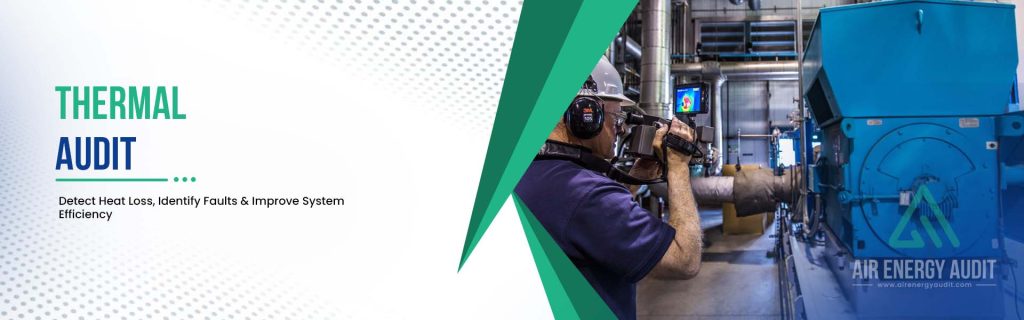
Thermal Audit for Better Energy Performance & Reliability
A Thermal Audit uses advanced thermal inspection techniques to identify abnormal temperature patterns, heat losses, insulation problems, overloaded equipment and hidden faults before they develop into costly failures or unnecessary energy consumption.
Heat Can Reveal Problems Before They Become Failures
Many electrical and mechanical problems develop through changes in temperature before a visible failure occurs. Loose electrical connections, overloaded circuits, deteriorating components, bearing problems, poor insulation and abnormal process conditions can all create thermal signatures.
A Thermal Audit helps identify these conditions without interrupting normal operations, allowing maintenance and engineering teams to investigate problems and take corrective action at the right time.
What a Thermal Audit Reveals
Thermal imaging and temperature analysis provide a visual understanding of equipment condition and energy-related thermal losses.
See Hidden Energy Losses and Equipment Problems
Thermal inspection allows organizations to detect abnormal conditions early, improve maintenance decisions and reduce avoidable energy losses and equipment downtime.
Early Fault Detection
Identify abnormal heating and thermal signatures before they progress into major equipment failures.
Electrical Safety
Detect overheated electrical connections, overloaded components and distribution system abnormalities.
Reduced Heat Loss
Identify insulation weaknesses and unwanted heat transfer in thermal equipment and processes.
Better Maintenance
Use thermal findings to prioritize maintenance activities according to the severity and impact of each issue.
Comprehensive Thermal Audit of Industrial Systems
Our Thermal Audit examines electrical, mechanical and thermal systems to identify abnormal temperature conditions, heat losses and opportunities for improved reliability and efficiency.
Electrical Panels
Thermal inspection of electrical distribution equipment to identify abnormal heating and connection issues.
- Distribution panels
- Switchgear
- Breakers
- Busbars
Transformers
Assessment of transformer temperature patterns and thermal behavior under operating conditions.
- Transformer connections
- Terminals
- Load-related heating
- Cooling condition
Motors & Drives
Thermal inspection of motors and associated equipment to identify overheating and abnormal operating conditions.
- Motor housings
- Terminals
- Couplings
- Drive components
Mechanical Equipment
Detection of excessive heat generated by friction, misalignment, lubrication problems and mechanical stress.
- Bearings
- Gearboxes
- Rotating equipment
- Mechanical assemblies
Steam & Thermal Systems
Inspection of thermal systems to identify unwanted heat transfer, insulation deficiencies and abnormal temperatures.
- Steam lines
- Valves
- Flanges
- Insulation
Furnaces & Ovens
Thermal assessment of heating equipment to identify temperature variations and heat loss areas.
- Furnace surfaces
- Oven walls
- Insulation condition
- Temperature distribution
Boilers & Hot Equipment
Evaluation of thermal condition and insulation performance around hot process equipment.
- Boiler surfaces
- Hot water systems
- Steam equipment
- Thermal insulation
Refrigeration Systems
Thermal inspection of refrigeration equipment to identify abnormal temperature distribution and system issues.
- Compressors
- Condensers
- Evaporators
- Refrigerant lines
Building & Process Envelope
Identification of thermal bridges, heat leakage and insulation deficiencies across relevant areas.
- Walls
- Roofs
- Doors & openings
- Process enclosures
How We Conduct a Thermal Audit
We combine thermal imaging, field observations, operating conditions and engineering analysis to turn thermal patterns into practical maintenance and efficiency recommendations.
Site Preparation
Review equipment information, operating conditions, system layouts and areas requiring thermal inspection.
Thermal Inspection
Capture thermal images and temperature data from critical electrical, mechanical and thermal equipment.
Analysis
Compare thermal patterns with operating conditions to identify abnormal temperatures and probable causes.
Recommendations
Provide prioritized findings and practical corrective actions for maintenance, reliability and energy performance.
Key Thermal Performance Indicators
Thermal findings are evaluated in relation to equipment loading, ambient conditions, temperature differences and the nature of the equipment or process being inspected.
Thermal Parameters
Equipment Conditions
Prevent Energy Losses, Failures & Unplanned Downtime
Thermal abnormalities can indicate developing equipment problems or unnecessary heat losses. Finding them early gives your team an opportunity to act before the impact becomes significantly larger.
Reduce Failures
Detect abnormal thermal conditions before they develop into serious equipment failures.
Improve Safety
Identify potentially hazardous overheating conditions in electrical and industrial equipment.
Reduce Heat Loss
Locate insulation deficiencies and areas where excessive heat is escaping from thermal systems.
Improve Reliability
Give maintenance teams condition-based information for better planning and equipment reliability.
Thermal Findings That Support Better Maintenance Decisions
Our Thermal Audit report converts thermal inspection results into clear findings that engineering, maintenance and management teams can use to prioritize corrective actions.
Find the Heat Before It Becomes a Problem
Let’s inspect your critical equipment, identify abnormal thermal conditions and develop practical recommendations to improve safety, reliability and energy performance.
Thermal Audit
A Thermal Audit helps identify hidden energy losses caused by heat loss, inadequate insulation, inefficient thermal equipment and improper heat management. During an audit, these issues can be assessed to determine their impact on production, equipment performance, energy consumption and operating costs.
Undetected thermal inefficiencies can:
Cause excessive heat loss from boilers, furnaces, ovens, steam systems, pipelines and other thermal equipment.
Reduce the efficiency of thermal systems by increasing fuel and energy consumption to maintain the required operating temperature.
Shorten equipment lifespan due to overheating, excessive thermal stress and prolonged operation under inefficient conditions