
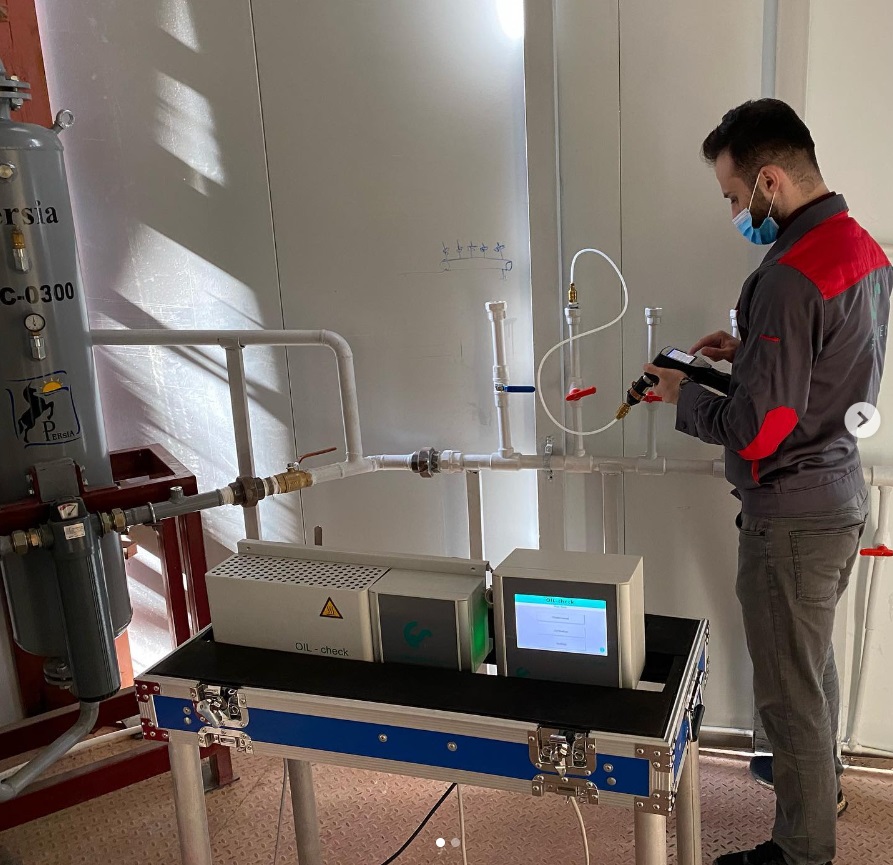
Compressed air is often called the “fourth utility” because of its important role in modern industrial operations. Just like electricity, water, and natural gas, compressed air supports a wide range of manufacturing processes. From powering pneumatic tools to operating automated production equipment, it provides a flexible and reliable source of energy for many industrial applications.
Although compressed air is widely used, many facilities do not fully understand how important proper system design, maintenance, and energy management are. A well-designed compressed air system can improve productivity, equipment reliability, and operational efficiency.
Why Is Compressed Air Called the Fourth Utility?
The term “fourth utility” reflects the widespread importance of compressed air in industrial facilities. Electricity powers motors and control systems, water supports cooling and processing, and natural gas provides heat for many operations. Compressed air adds another essential resource that supports production.
Unlike electricity, compressed air can be stored in receivers and transported through piping to different areas of a facility. It can also be used to power equipment in environments where electrical motors may not be ideal.
Its flexibility makes compressed air particularly valuable in manufacturing environments.
How Does a Compressed Air System Work?
A typical compressed air system begins with an air compressor. The compressor draws atmospheric air into the machine and compresses it to a higher pressure.
The compressed air may then pass through several components before reaching the final application. These can include aftercoolers, dryers, filters, air receivers, valves, and distribution piping.
Each component has an important purpose.
The aftercooler helps reduce the temperature of compressed air, while dryers remove moisture. Filters help control contaminants, and air receivers provide storage capacity to handle variations in demand.
Finally, the compressed air is distributed to production equipment through a piping network.
Manufacturing and Production
One of the most important uses of compressed air is in manufacturing.
Factories use compressed air to operate pneumatic cylinders, actuators, control valves, assembly equipment, and automated machinery. Pneumatic systems can provide fast and repeatable movement, making them useful in high-speed production environments.
Compressed air can also support clamping, positioning, lifting, and material-handling operations.
Because pneumatic equipment is relatively simple and flexible, it can be integrated into many different production systems.
Automotive Applications
The automotive industry relies heavily on compressed air.
Pneumatic tools such as impact wrenches, grinders, drills, and sanders are commonly used in automotive manufacturing and repair environments. Compressed air is also used in assembly lines, painting operations, cleaning processes, and automation systems.
A stable supply of clean compressed air is important because interruptions can slow production and affect workflow.
Food and Beverage Processing
Compressed air plays an important role in food and beverage manufacturing.
It can be used for packaging machines, pneumatic controls, bottle handling, filling equipment, and automation systems.
In applications where compressed air may come into direct or indirect contact with products, air quality becomes particularly important. Proper filtration, drying, and system maintenance can help reduce the risk of contamination.
The required air quality should always be determined according to the specific production process and applicable industry requirements.
Pharmaceutical and Healthcare Manufacturing
Pharmaceutical manufacturing requires carefully controlled production environments. Compressed air can be used for automation, packaging, instrumentation, and various manufacturing processes.
In sensitive applications, compressed air quality is critical. Oil, moisture, and particulate contamination can create operational or product-quality concerns.
For this reason, facilities should select appropriate compressors and air-treatment equipment based on the requirements of their process.
Electronics and Precision Manufacturing
Electronics manufacturing often requires clean and controlled production conditions.
Compressed air can support automated machinery, component handling, cleaning, instrumentation, and pneumatic control systems.
Because precision applications can be sensitive to contamination and moisture, air treatment and filtration should be carefully considered when designing the system.
Construction and Workshop Applications
Compressed air is not limited to large manufacturing plants. Workshops and construction operations also use compressors for pneumatic tools.
Jackhammers, nail guns, impact tools, grinders, spray equipment, and other tools can be powered by compressed air.
Portable compressors can provide flexibility when compressed air is needed at different work locations.
Energy Efficiency in Compressed Air Systems
Although compressed air is extremely useful, producing it can require significant electrical energy.
One of the most effective ways to reduce operating costs is to identify and eliminate unnecessary compressed-air demand.
Air leaks are a common source of waste. Even relatively small leaks can become expensive when they remain unrepaired for long periods.
Facilities should also review compressor operating pressure, equipment loading, control strategies, and maintenance practices.
Using variable-speed technology where appropriate can help compressors respond to changing demand. However, the correct solution depends on the facility’s actual load profile.
Importance of Proper Maintenance
A compressed air system requires regular maintenance to remain reliable.
Filters should be inspected and replaced when required. Coolers should be kept clean, drains should operate correctly, and leaks should be identified and repaired.
Compressors should also be monitored for unusual temperatures, vibration, pressure changes, and other signs of developing problems.
Preventive and predictive maintenance can help reduce unexpected downtime and extend equipment life.
Final Thoughts
Compressed air has earned its reputation as the fourth utility because it supports countless industrial processes. From automotive production and food processing to pharmaceuticals, electronics, workshops, and automated manufacturing, compressed air provides a versatile source of power.
However, simply installing a compressor is not enough. The complete system must be correctly designed, sized, treated, maintained, and monitored.
By understanding where compressed air is used and identifying opportunities to improve system efficiency, industrial facilities can reduce waste, improve reliability, and create a more productive manufacturing environment.