
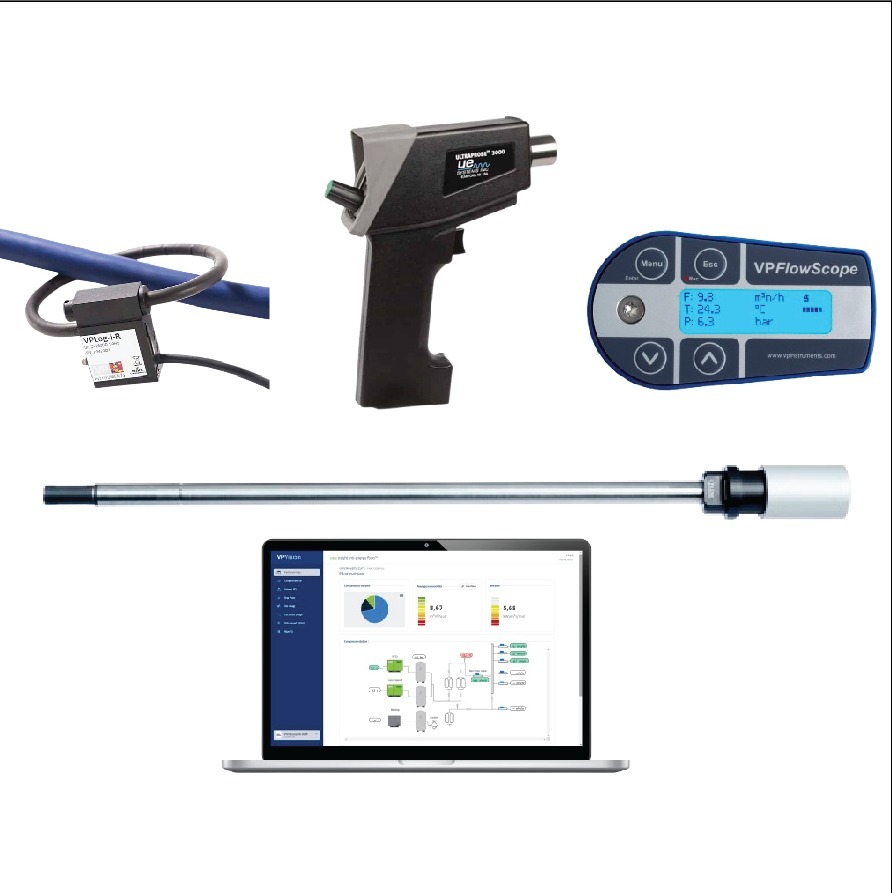
Choosing an industrial air compressor is an important decision for any manufacturing facility. A compressor that is too small may struggle to meet production demand, while an oversized system can consume unnecessary energy and increase operating costs. The right compressor should match your facility’s air demand, pressure requirements, operating schedule, and future production needs.
Compressed air is often considered an essential utility in industrial environments. It powers pneumatic tools, operates automated machinery, supports production processes, and is used in applications ranging from packaging and food processing to automotive manufacturing and pharmaceuticals. Because compressed air systems can account for a significant portion of a facility’s energy consumption, selecting the correct equipment can have a major impact on overall efficiency.
Understand Your Facility’s Air Demand
The first step in selecting an industrial compressor is determining how much compressed air your facility actually requires.
Air demand is commonly measured in SCFM (Standard Cubic Feet per Minute) or CFM. Your requirement depends on the number of machines and pneumatic devices operating simultaneously, their individual air consumption, and the production schedule.
Instead of simply adding the maximum air consumption of every machine, engineers should evaluate the actual operating pattern. Some equipment may operate continuously, while other machines may only require compressed air periodically.
A professional air demand assessment can help identify the facility’s average consumption, peak demand, and periods of low usage. This information provides a much more reliable basis for compressor sizing.
Determine the Required Pressure
Airflow is only one part of compressor selection. You also need to determine the pressure required by your production equipment.
Most industrial pneumatic equipment operates within a specified pressure range. If the system pressure is too low, equipment may fail to perform properly. However, operating at a pressure higher than necessary can increase energy consumption.
For this reason, the compressor should be selected based on the pressure actually required at the point of use, while accounting for pressure losses throughout the distribution system.
Filters, dryers, pipes, valves, and other components can create pressure drops. A compressor system should therefore be designed so that the required pressure reaches the application without forcing the compressor to operate unnecessarily at excessive pressure.
Choose the Appropriate Compressor Type
Industrial facilities can choose from several compressor technologies. The best option depends on the application’s operating requirements.
Rotary Screw Compressors
Rotary screw compressors are widely used in manufacturing environments where a reliable and continuous supply of compressed air is required. They are particularly suitable for facilities with relatively steady air demand.
Variable-speed drive models can adjust compressor output according to changing demand. This can help reduce energy consumption when the facility does not require maximum airflow continuously.
Reciprocating Compressors
Reciprocating or piston compressors are often suitable for applications with intermittent air demand. They are available in different configurations and can be useful for workshops, service operations, and smaller industrial applications.
However, facilities with continuous high-volume demand may require a different compressor technology.
Centrifugal Compressors
Centrifugal compressors are generally designed for large industrial installations requiring substantial volumes of compressed air. They can be an efficient solution for facilities with high and relatively stable demand.
The important point is that compressor selection should be based on the complete operating profile rather than simply choosing the largest or most powerful machine.
Consider Energy Efficiency
Energy efficiency should be a major consideration when purchasing an industrial air compressor.
The purchase price represents only one part of the total cost of ownership. Over the compressor’s operating life, electricity, maintenance, cooling, and other operating expenses can significantly exceed the initial equipment cost.
A properly sized compressor can reduce unnecessary energy consumption. Variable-speed technology, efficient controls, appropriate system pressure, and regular maintenance can further improve system performance.
Facilities should also investigate opportunities to eliminate artificial demand, repair air leaks, and optimize compressor sequencing before increasing compressor capacity.
Don’t Ignore Air Treatment
Compressed air quality is another important consideration. Depending on the application, compressed air may need to be cooled, dried, and filtered before reaching production equipment.
An aftercooler can reduce the temperature of compressed air and help remove moisture. Refrigerated or desiccant dryers may be required when a specific dew point is necessary. Filters can remove contaminants such as oil, water, and particulates.
The required air treatment depends on the application. For example, food and beverage, pharmaceutical, electronics, and other sensitive industries may require much stricter air quality than general workshop applications.
Plan for Future Production
Compressor selection should not focus exclusively on today’s production requirements.
If your facility expects production to increase, the compressed air system should be designed with reasonable future demand in mind. However, installing a significantly oversized compressor simply for possible future expansion can result in inefficient operation today.
A better approach may be to design the system around current demand while considering modular expansion, additional compressors, or appropriate control strategies for future growth.
Evaluate the Entire Compressed Air System
A compressor does not operate independently. Its performance depends on the complete compressed air system.
The system may include:
- Air compressors
- Air receivers
- Aftercoolers
- Dryers
- Filters
- Distribution piping
- Automatic drains
- Pressure controls
- Monitoring equipment
A problem in one part of the system can affect overall efficiency. For example, restricted filters can increase pressure drop, leaking distribution lines can waste compressed air, and poor compressor sequencing can cause unnecessary cycling.
For this reason, engineers should evaluate the entire system rather than selecting a compressor in isolation.
Regular Maintenance Matters
Even a correctly sized compressor can lose efficiency when maintenance is neglected.
Routine inspections should include checking filters, oil levels where applicable, coolers, drains, belts, connections, and control systems. Air leaks should also be identified and repaired regularly.
Predictive maintenance techniques such as temperature monitoring, vibration analysis, and performance tracking can help identify developing problems before they lead to unexpected downtime.
Final Thoughts
Selecting the right industrial air compressor requires more than comparing horsepower ratings or equipment prices. The correct solution depends on airflow demand, operating pressure, production schedules, air quality requirements, energy efficiency, and future expansion plans.
A properly designed compressed air system can provide reliable performance while reducing energy waste and maintenance costs. Before investing in new equipment, facilities should evaluate their current air demand and examine the performance of the complete compressed air network.
With the right approach to compressor sizing, system design, air treatment, controls, and maintenance, industrial facilities can build a compressed air system that supports production reliably for years to come.