
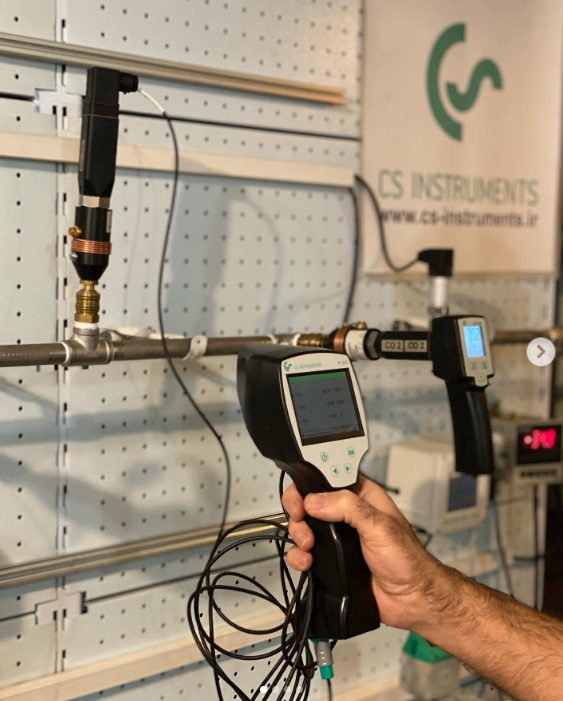
A packaging facility operated multiple compressors to support automated packaging lines, pneumatic cylinders, control equipment, and material handling systems.
The compressor room contained several machines of different capacities and operating characteristics.
Although production demand varied significantly throughout the day, the compressor arrangement was not optimized according to changing demand.
Operating Challenge
During low production periods, multiple compressors remained operational.
During peak periods, the system sometimes experienced high loading.
This created two different problems.
At low demand, the plant was consuming unnecessary energy.
At high demand, the system required efficient coordination between compressors.
Audit
The audit team reviewed:
- Compressor specifications
- Operating hours
- Load/unload cycles
- Pressure settings
- Receiver capacity
- Production schedules
- Air demand
- Compressor sequencing
The assessment showed opportunities for better compressor sequencing.
Some compressors were better suited for base-load operation, while others could be used to handle variable demand.
Recommended Strategy
A centralized compressor control strategy was recommended.
Instead of allowing individual compressors to operate independently, the machines could be coordinated according to system demand.
Base-load machines would handle continuous demand while variable-capacity machines could respond to changes.
Pressure settings were also reviewed.
The objective was to maintain sufficient pressure without unnecessarily increasing compressor discharge pressure.
Receiver Optimization
The air receiver was also evaluated.
Adequate storage can help absorb short-term demand fluctuations and reduce unnecessary compressor cycling.
The plant was advised to evaluate receiver capacity in relation to production demand rather than simply increasing compressor capacity.
Results
An illustrative implementation could deliver:
- Reduced compressor cycling
- Improved compressor loading
- Lower electricity consumption
- More stable pressure
- Better equipment utilization
- Reduced mechanical stress
- Improved compressor-room management
The facility could potentially reduce compressed-air-related energy consumption by approximately 8–14%, depending on operating conditions.
Maintenance Benefits
Better compressor sequencing can also reduce unnecessary wear.
Compressors that frequently cycle or operate inefficiently may experience increased mechanical and electrical stress.
A more controlled operating strategy can improve equipment utilization and help maintenance teams plan servicing more effectively.
Monitoring
The facility was encouraged to monitor compressor performance continuously.
Key indicators included:
- Total air production
- Compressor power consumption
- System pressure
- Loaded hours
- Unloaded hours
- Air demand
- Leakage level
These measurements could be used to identify changes in system performance.
Conclusion
The packaging facility demonstrated the value of treating the compressor room as an integrated system.
Individual compressors may operate correctly, but poor coordination can still result in unnecessary energy consumption.
Centralized control, pressure optimization, appropriate storage, and monitoring can improve both energy efficiency and reliability.