Case Study

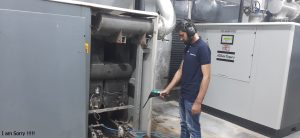
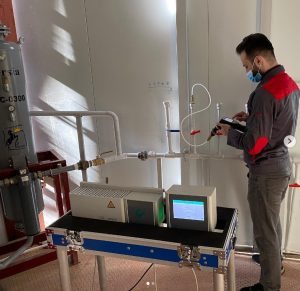
Cement Manufacturing Plant – Compressor Efficiency and Leakage Management

A cement manufacturing facility operated compressed air systems in a demanding industrial environment. Compressed air was used for instrumentation, control systems, pneumatic equipment, cleaning, and other applications. The facility had high operating hours and significant compressed air demand. Management was concerned about increasing energy consumption and wanted to identify opportunities to reduce unnecessary compressor operation. […]

Cement Manufacturing Plant – Compressor Efficiency and Leakage Management Read More »
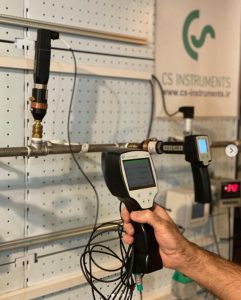
Packaging Industry – Compressor Room Optimization

A packaging facility operated multiple compressors to support automated packaging lines, pneumatic cylinders, control equipment, and material handling systems. The compressor room contained several machines of different capacities and operating characteristics. Although production demand varied significantly throughout the day, the compressor arrangement was not optimized according to changing demand. Operating Challenge During low production periods,

Packaging Industry – Compressor Room Optimization Read More »

Steel Fabrication Unit – Improving Piping and Pressure Distribution

A steel fabrication facility depended on compressed air for pneumatic tools, cutting equipment, control systems, cleaning applications, and various workshop processes. The plant had a large compressed air distribution network that had expanded as new equipment was installed. Operators frequently complained that air pressure was satisfactory near the compressor room but noticeably lower at distant

Steel Fabrication Unit – Improving Piping and Pressure Distribution Read More »

Plastic Injection Molding Facility – Reducing Artificial Demand

A plastic injection molding facility used compressed air throughout its production process. Pneumatic controls, actuators, material handling equipment, blow-off applications, and other machinery depended on compressed air. The plant was experiencing unusually high compressed air consumption even though production volume had remained relatively stable. Management wanted to understand why air demand continued to increase. Initial

Plastic Injection Molding Facility – Reducing Artificial Demand Read More »

Automotive Manufacturing Plant – Improving Compressed Air Reliability

An automotive manufacturing facility used compressed air extensively for pneumatic tools, assembly equipment, automated machinery, material handling systems, and testing stations. Production depended on reliable compressed air, but operators had reported pressure drops during periods of peak production. The facility had multiple compressors, yet production teams still experienced temporary pressure instability. Management initially considered purchasing

Automotive Manufacturing Plant – Improving Compressed Air Reliability Read More »

Pharmaceutical Manufacturing Facility – Improving Air Quality and System Reliability

A pharmaceutical manufacturing facility depended on compressed air for automated production equipment, pneumatic controls, packaging systems, instrumentation, and process applications. Because product quality and process reliability were critical, the compressed air system required a high level of cleanliness, dryness, and consistency. The plant management had noticed occasional pressure fluctuations and concerns related to moisture in

Pharmaceutical Manufacturing Facility – Improving Air Quality and System Reliability Read More »

Food & Beverage Plant – Optimizing Compressor Pressure and Production Efficiency

A food and beverage manufacturing facility was operating several compressed air systems to support packaging machines, pneumatic actuators, filling equipment, control systems, and cleaning applications. Production was increasing, but electricity consumption associated with the compressed air system was also rising. Plant management wanted to determine whether the existing compressors were being operated efficiently and whether

Food & Beverage Plant – Optimizing Compressor Pressure and Production Efficiency Read More »

Textile Manufacturing Plant – Reducing Compressed Air Leakage and Energy Waste

A large textile manufacturing facility was experiencing rising electricity costs, unstable compressed air pressure, and frequent complaints from production teams about insufficient air availability at different points of the plant. The facility relied heavily on compressed air for spinning, weaving, pneumatic controls, cleaning, and other production processes. Although the compressors were operating continuously, the plant

Textile Manufacturing Plant – Reducing Compressed Air Leakage and Energy Waste Read More »

Transit

Integration of IoT-Based Real-Time Monitoring for Continuous Compressed Air Efficiency Tracking

A medium-to-large industrial facility implemented an IoT-based real-time monitoring system to continuously track compressed air performance across multiple production lines and compressor rooms. By integrating smart sensors, cloud analytics, and automated alerts, the plant reduced energy waste by 14%, improved leak detection response time by 60%, and enabled predictive maintenance capabilities. The system shifted compressed

Integration of IoT-Based Real-Time Monitoring for Continuous Compressed Air Efficiency Tracking Read More »

Electronics

Power Factor Improvement and Electrical Load Balancing in an Industrial Utility System

A heavy industrial manufacturing facility reduced electrical losses and avoided utility penalties by implementing a structured power factor correction and load balancing strategy. The plant improved its power factor from 0.78 to 0.97, reduced transformer loading by 11%, minimized voltage imbalance from 4.8% to 1.2%, and achieved annual savings of approximately $410,000. The project delivered

Power Factor Improvement and Electrical Load Balancing in an Industrial Utility System Read More »

Scroll to Top